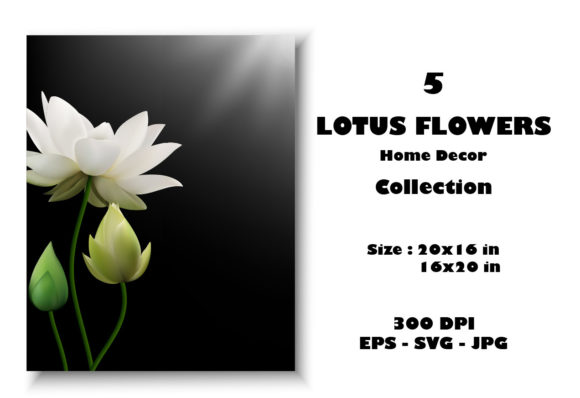
Lotus Flowers Home Decor Collection Graphics and Illustrations Review
In the world of digital publishing, visual communication is not merely decorative; it is functional. As a blog designer who has spent years refining editorial layouts and optimizing content for readability and engagement, I have learned that the right graphic asset can elevate a mediocre post into a polished, trustworthy resource. Today, I am reviewing the Lotus Flowers Home Decor Collection, a set of illustrations designed to bring a sense of calm, elegance, and artistic integrity to your digital spaces. This review focuses on how this design asset fits into real-world publishing workflows, from affiliate marketing blogs to educational newsletters.
The Editorial Mood: Calm Meets Commercial Viability
When I first opened the zip file containing the five lotus flower home decor collection designs, my immediate reaction was one of relief. The market is saturated with chaotic, high-contrast graphics that scream for attention but often fail to retain it. In contrast, this collection exudes a serene, lifestyle-focused energy. The illustrations feel modern yet timeless, striking a balance between decorative art and clean web design. For content creators in niches such as wellness, interior design, mindfulness, or even general lifestyle blogging, this aesthetic supports a narrative of tranquility and refined taste.
The visual hierarchy established by these graphics is subtle but effective. They do not overpower text; instead, they frame it. This is crucial for reader trust. When a website looks cohesive and professionally curated, readers are more likely to stay longer, engage with the content, and convert on affiliate links or newsletter signups. The lotus motif naturally suggests growth, purity, and renewal, making it an excellent metaphorical anchor for content that aims to inspire or educate.
Integrating Design Assets into Your Publishing Workflow
One of the primary challenges for small business owners and creative entrepreneurs is consistency. You need a wide variety of visuals for different platforms without sacrificing brand identity. The Lotus Flowers Home Decor Collection offers versatility that extends far beyond simple wall art concepts. Here is how I would integrate these graphics into a comprehensive content marketing strategy:
- Blog Featured Images and Headers: Use the larger compositions as hero images for long-form articles. The clean lines allow you to overlay headlines without compromising readability, provided you use appropriate contrast.
- Pinterest Pins and Social Media Graphics: Pinterest is a visual search engine. These illustrations have a vertical-friendly aesthetic that performs well in feeds. They signal quality to users scrolling through their boards, increasing the likelihood of clicks back to your site.
- Digital Guides and Lead Magnets: If you are creating a downloadable PDF, such as a "Mindful Morning Routine" checklist, these graphics serve as perfect chapter dividers or cover art. They transform a simple document into a premium digital product.
- Newsletter Banners: Email clients require specific formatting. Using a simplified version of one of the lotus designs as a header can break up text blocks and add a touch of personality to your email campaigns.
- Category Thumbnails: On your main blog page, use distinct variations from the collection to represent different content categories. This aids in category recognition and helps visitors navigate your site intuitively.
Enhancing Content Performance Through Visual Hierarchy
Strong first impressions are critical. A potential visitor decides within seconds whether to trust your content. By using high-quality design assets like the Lotus Flowers collection, you signal that you care about the details. This attention to detail translates to perceived expertise. When your visuals are consistent, your brand identity becomes stronger, and your content appears more professional.
Furthermore, these graphics support better click-through potential. A well-designed thumbnail stands out against the noise of social media feeds. Because the lotus design is elegant rather than loud, it appeals to a demographic that values aesthetics and substance over hype. This is particularly effective for affiliate marketing content where building trust is paramount. Readers are more likely to click on a link if the surrounding visual environment feels safe, organized, and aesthetically pleasing.
Strategic Placement and Best Practices
To get the most out of this graphic design asset, you must understand where it shines and where it might struggle. Here is a breakdown of optimal usage scenarios based on my experience with editorial design:
Where It Works Best
- Hero Images: Full-width banners at the top of articles benefit from the expansive nature of the lotus illustrations.
- Editorial Accents: Use smaller elements as bullet points or section breaks to guide the eye down the page.
- Downloadable Resources: As mentioned, these work beautifully as part of a printable design suite, enhancing the perceived value of freebies.
- Media Kits: If you are pitching collaborations with brands, including these polished graphics in your media kit demonstrates your ability to maintain high visual standards.
Areas Requiring Caution
However, no single asset is universally perfect. There are contexts where the Lotus Flowers collection should be used carefully:
- Small Mobile Thumbnails: At very small sizes, intricate details may blur. Test these graphics at thumbnail dimensions to ensure the core shape remains recognizable.
- Text-Heavy Blog Images: Avoid placing dense paragraphs of text directly over complex parts of the illustration. Maintain ample negative space.
- Serious Professional Niches: While versatile, the floral motif may feel too soft for highly technical, corporate, or financial content. In such cases, consider pairing it with bold sans-serif fonts to ground the design.
- Low-Contrast Backgrounds: Ensure the colors of the lotus designs pop against your website’s background. Poor contrast reduces accessibility and readability.
Practical Publisher Notes for Implementation
Before integrating these modern design elements into your live site, follow this practical checklist to ensure technical and aesthetic success:
Test Across Devices: View your layout on both desktop and mobile screens. Does the graphic scale appropriately? Does it distort?
Check Typography Pairing: Experiment with font combinations. Place the lotus illustrations beside serif fonts for a classic look, sans-serif fonts for a modern feel, or script fonts for a personal touch. Observe how the visual hierarchy shifts with each combination.
Optimize File Size: Web performance is a ranking factor. Compress your images properly using tools like TinyPNG or Squoosh before uploading. Large files slow down load times, which hurts SEO and user experience.
Verify Licensing: Confirm the commercial license terms. Most creative marketplace assets allow for use on monetized websites and affiliate pages, but it is essential to check if there are restrictions on resale or unlimited print runs.
Review in Black and White: Sometimes, stripping color reveals structural weaknesses. Preview the graphics in grayscale to ensure the composition holds up without relying solely on color appeal.
Final Thoughts for Digital Creators
The Lotus Flowers Home Decor Collection is more than just a set of pretty pictures; it is a strategic tool for enhancing your digital presence. Whether you are designing a Canva template for your audience, updating your website header, or creating a new digital guide, these illustrations provide a foundation of elegance and clarity. By incorporating them thoughtfully into your content marketing efforts, you create a cohesive, trustworthy, and visually appealing environment that resonates with readers and drives results. For bloggers, designers, and online educators looking to elevate their small business branding, this collection offers a reliable, high-quality solution for all your illustrations and graphics needs.