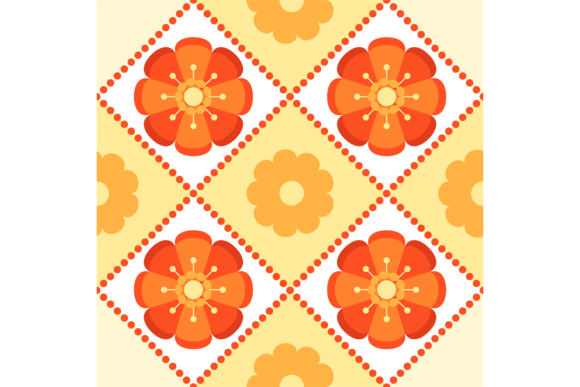
Square Tiles with Red Flowers. Decorativ
When I pull a new digital asset into my embroidery software, I am rarely looking at just a pretty picture. I am looking for a machine embroidery design that will survive the hoop, hold its shape after washing, and actually look like something a customer would pay full price for. Today, I am putting Square Tiles with Red Flowers. Decorativ through that same rigorous mental filter. This is an Illustrations category Graphics file, provided in EPS, JPG, and SVG formats, but my job is to translate those vector lines into thread and fabric.
The concept is straightforward: a seamless pattern of square tiles featuring red floral motifs on a white background. On screen, it looks crisp and clean. But does it work as a custom apparel piece? Can it stand up to the scrutiny of an Etsy seller or a boutique owner? Let’s break down how this design behaves when we move from the digital canvas to the needle.
First Impressions and Visual Personality
The immediate mood of Square Tiles with Red Flowers. Decorativ is structured yet organic. The square tile provides a rigid, architectural boundary, while the red flowers soften the edges with a touch of nature. This contrast is exactly what makes for successful handmade product branding. It feels modern enough for a contemporary home goods shop but classic enough for a traditional gift market.
Visually, the high contrast between the red blooms and the white background is a designer’s best friend. In the world of embroidery project planning, contrast is king. If your thread colors do not pop against the fabric, the design disappears. Here, the white background suggests a natural linen, crisp cotton, or light-colored denim base. The red flowers promise bold visibility, which immediately boosts the perceived value of the finished product. It doesn’t look like a cheap print; it looks like intentional, high-quality stitching.
Real-World Application: From Screen to Stitch
I often imagine these designs in specific scenarios before I ever click "stitch." For Square Tiles with Red Flowers. Decorativ, my mind goes straight to kitchen textiles and lifestyle accessories. Imagine this pattern repeated across a set of premium tea towels or a large apron for a culinary instructor. The grid-like structure of the tiles lends itself beautifully to larger surface areas where the eye can travel across the repetition without getting overwhelmed.
It also works exceptionally well as an embroidered patch if you isolate a single tile. A square patch with a singular red flower motif is a versatile asset. You could place this on the back of a baseball cap for a subtle brand statement, or center it on the chest of a crewneck sweatshirt. As a sweatshirt embroidery piece, the geometric framing adds a polished, almost collegiate feel that appeals to young adults and students. It elevates the garment from basic merch to a designed item.
For baby embroidery, the softness of the floral element within the strict square frame strikes a nice balance. It is gender-neutral enough to be marketed broadly, yet distinct enough to stand out in a crowded nursery decor market. Pillow covers are another strong contender here. The symmetry of the tile pattern aligns perfectly with the square shape of standard pillow inserts, creating a cohesive look that requires minimal editing.
Where Caution Is Required
However, no design is perfect for every situation. There are specific contexts where Square Tiles with Red Flowers. Decorativ might struggle, and knowing these limits is what separates a pro from a hobbyist.
- Small Hoop Sizes: If you attempt to stitch this entire seamless pattern in a tiny 4x4 inch hoop, you may run into issues with registration and density. Seamless patterns require careful tiling. Ensure your software handles the repeat correctly so the squares don’t get cut off awkwardly at the edge of the hoop.
- Textured or Stretchy Fabrics: While the design is simple, textured fabrics like heavy boucle or highly stretchy jersey knits can distort the precise lines of the square tiles. The geometry might warp, making the "perfect square" look irregular. Stick to stable wovens like cotton, linen, or canvas for the best results.
- Dense Stitch Areas: If the red flowers are filled with dense satin stitches, you need to ensure your stabilizer is robust enough to prevent puckering. Thin fabrics will buckle under the tension of dense floral fills. Always use a proper cut-away or tear-away stabilizer depending on the fabric weight.
- Curved Surfaces: Applying this to curved items like caps or bags can be tricky. The flat, geometric nature of the tile might fight against the curve of the brim or the body of the bag. Test placement carefully to ensure the design doesn’t look stretched or distorted.
Technical Notes for the Embroidery Designer
Before you list this as a commercial embroidery item or add it to your own inventory, there are several technical checks you must perform. First, always test the design on scrap fabric. Digital vectors lie about texture; only thread reveals the true depth and dimension of the fill stitch and satin stitch combinations.
Check the stitch density closely. Are the red flowers too packed? If so, consider reducing the density slightly to allow the fabric texture to show through, which often looks more professional than a solid block of plastic-looking thread. Also, inspect the small details. In a digital embroidery file, tiny corners of the square tiles can sometimes become jagged or lose definition if the resolution isn't high enough during conversion. Use black and white mockups to check the contrast ratios before committing to expensive threads.
Furthermore, consider the thread colors available in your machine. The standard red might clash with certain skin tones or color palettes in your marketing photos. Try swapping the red for a deep burgundy or a vibrant coral to see how it changes the vibe. Does it still read as "red flowers"? Yes, but it might appeal to a different demographic.
Final Verdict on Design Value
Square Tiles with Red Flowers. Decorativ is a solid, reliable asset for any craft business looking to expand its catalog. It offers a blend of structure and softness that translates well to physical products. It builds customer trust because it looks intentional and well-composed, rather than generic clipart.
For small shop owners, this design is particularly valuable because it is versatile. It can be used for personalized gifts, wedding favors, or seasonal holiday embroidery projects (think Valentine’s Day or Mother’s Day). The clean lines make it easy to integrate with monograms or text, allowing you to create custom names alongside the floral tiles.
Just remember to respect the limitations of the medium. Don’t force it onto difficult fabrics, and always prioritize stability and contrast. When executed correctly, this design has the potential to become a staple in your design assets library, driving sales through its timeless aesthetic and practical adaptability. It is a smart choice for anyone serious about producing high-quality, sellable embroidered goods.