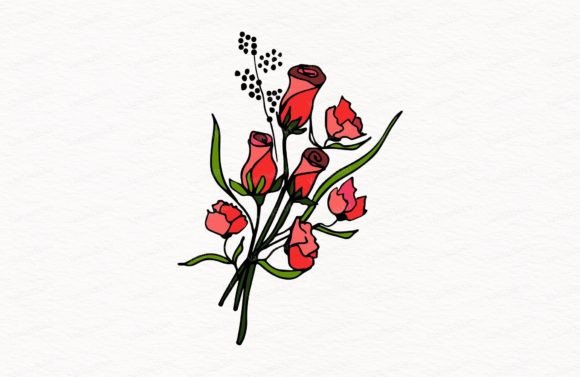
Beautiful Delicate Bouquet of Roses Review
As a designer who spends more time looking at stitch density and fabric grain than I do drinking coffee, I approach every new design asset with a healthy dose of skepticism. The market is flooded with generic clip art that looks fine on a screen but falls apart under the needle. That is why I decided to put Beautiful Delicate Bouquet of Roses through its paces before recommending it for any client work or small business inventory. This isn't just about pretty flowers; it is about whether this vector graphic can survive the transition from digital file to tangible, stitched reality.
The product description labels this as an Illustrations category item, specifically a Graphics asset suitable for logos, animations, and apparel. While those use cases are valid, my focus here is strictly on embroidery potential. I wanted to see if this machine embroidery design has the structural integrity to hold up in a real-world application, such as a custom boutique tote bag or a high-end personalized gift.
First Impressions: Mood and Visual Personality
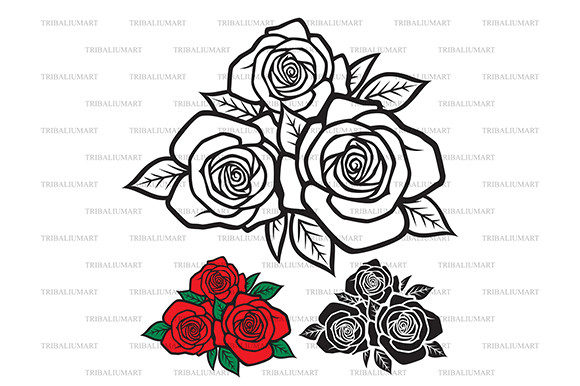
When you first open the editable files, the immediate takeaway is the elegance of the composition. The term "delicate" is often overused in digital design, but in this context, it feels accurate. The bouquet arrangement avoids the cluttered, heavy look that plagues many floral designs. Instead, it offers a sense of airy sophistication. For a designer, this visual personality is crucial because it dictates where the design will live on a garment or accessory.
This isn't a bold, streetwear-style graphic screaming for attention on the back of a hoodie. It is subtle, refined, and romantic. It naturally belongs in spaces where softness is key: nursery decor, bridal accessories, kitchen textiles, and feminine custom apparel. The layout suggests a vertical flow, which makes it incredibly versatile for placement on the chest of a sweatshirt, down the side seam of a tote, or centered on a pillow cover. The mood it creates is one of care and thoughtfulness, which is exactly what buyers look for when purchasing handmade products.
Real-World Application: From Screen to Stitch
To truly evaluate this asset, I imagined placing it on several different products common in the craft business ecosystem. Let’s start with a canvas tote bag design. A delicate rose bouquet works beautifully here because the natural texture of canvas complements the organic lines of the flowers. However, the success of this project hinges on thread selection. If you use standard polyester threads without considering sheen, the "delicate" nature might get lost in the glare. You would want a matte cotton blend or a high-quality rayon that mimics the softness of the original illustration.
Next, consider a baby onesie or a christening gown. In these scenarios, safety and comfort are paramount. This design’s lack of aggressive angles or overly dense clusters makes it a strong candidate for baby embroidery. It feels gentle against the skin conceptually, even if the actual stitching requires careful stabilizer choice to prevent puckering. For a personalized gift, adding a name in a simple script near the bouquet enhances the value without overwhelming the main motif.
I also visualized this as an embroidered patch for a denim jacket or a leather apron. Here, the clean lines of the vector source material shine. Because the file is openable and editable, you can adjust the scale to fit standard patch sizes. The contrast between the rough texture of denim and the smooth, detailed roses creates a compelling visual tension that elevates the finished product. It transforms a basic garment into a statement piece, increasing its perceived value for an Etsy seller or craft fair vendor.
Technical Considerations and Potential Pitfalls
No design is perfect, and transparency is part of a professional review. There are specific situations where Beautiful Delicate Bouquet of Roses requires careful handling. First, avoid using this on highly textured fabrics like heavy tweed or thick bouclé. The fine details of the petals and leaves may disappear into the weave of the fabric, resulting in a muddy, unclear image. Stick to smooth weaves like cotton twill, linen blends, or stable knits for the best clarity.
Another area requiring caution is the hoop size. While the vector is resizable, extremely small hooping can compromise the integrity of fine details. If you attempt to stitch this in a tiny 3x3 inch hoop, you risk losing the definition of the inner petals. It is better to scale it up slightly or choose a larger hoop to ensure each element is distinct. Additionally, be mindful of stretchy fabrics. Without proper tear-away or cut-away stabilizer support, the weight of the fill stitch areas could cause the fabric to distort over time, especially after washing.
Color contrast is another critical factor. On dark fabrics, the delicate nature of the design might struggle if the thread colors are not sufficiently saturated. You may need to add a backing layer or use brighter thread shades to maintain visibility. Conversely, on white fabric, ensure your thread choices don’t wash out too much; a slight tint or shadow effect can help the design pop.
Stitch Type and Density Analysis
While the source is a vector graphic, converting it to an embroidery file involves decisions about stitch types. The outer leaves likely benefit from a combination of satin stitch for defined edges and running stitch for texture. The flower heads should rely on fill stitch, but the density must be checked. If the fill is too tight, the fabric will pucker; if too loose, the background fabric will show through uncomfortably. As a reviewer, I advise testing the stitch density on scrap fabric first. Adjusting the underlay settings is essential to keep the design flat and professional.
Impact on Brand and Customer Perception
Using a high-quality design like this directly impacts customer trust. In the world of commercial embroidery and handmade goods, presentation is everything. A crisp, well-executed Beautiful Delicate Bouquet of Roses signals professionalism. It tells the buyer that you care about detail. When customers see a clean, un-puckered floral design on a sweatshirt embroidery project or a kitchen towel, they associate that quality with the brand itself.
This design also enhances giftability. Flowers are universal symbols of affection, making this asset ideal for holidays, weddings, and birthdays. By offering this as a customizable option, you allow customers to create deeply personal items. Whether it’s a monogrammed apron for a new homeowner or a set of embroidered tea towels for a housewarming, the versatility of this graphic supports a wide range of small shop product ideas.
Practical Designer Notes for Implementation
Before committing this design to a production run, follow these practical steps:
- Test on Scrap Fabric: Always stitch a sample on the exact fabric you plan to sell. Check for color bleeding, fabric distortion, and detail loss.
- Check Thread Contrast: Use black and white mockups to ensure the design remains visible regardless of the final colorway.
- Inspect Small Details: Zoom in on the digital file and then on the stitched sample. Ensure that the smallest petals are legible and not merging together.
- Confirm Licensing: Verify the terms of use for commercial projects. Ensure you have the right to sell finished items made with this digital embroidery file.
- Use Proper Stabilizer: Match the stabilizer to the fabric weight. Heavy fabrics need strong support; light fabrics need delicate removal.
In conclusion, Beautiful Delicate Bouquet of Roses is a sophisticated, versatile asset that brings a touch of elegance to various embroidery projects. It is not a brute-force graphic designed for impact through size, but rather for beauty through detail. For designers and entrepreneurs looking to add a refined floral element to their catalog, this design offers a solid foundation. Just remember to respect the technical limitations of embroidery, test thoroughly, and let the quality of the execution speak for itself. When done right, this design doesn't just sit on the fabric; it enhances the entire narrative of the handmade product.