Bouquet of Flowers Embroidery Review
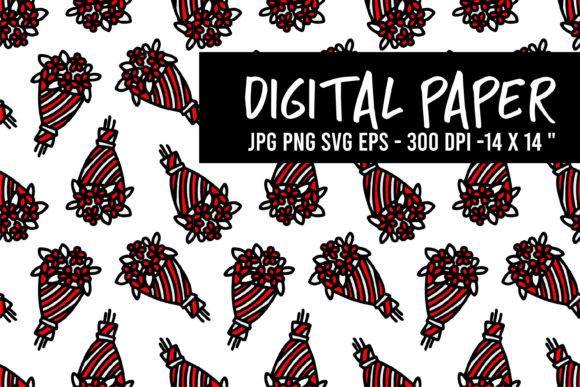
As a designer who spends half my life staring at stitch charts and the other half arguing with thread tension, I don’t just look for "pretty" when evaluating a new design. I look for viability. Does it hold up under the needle? Will it sell on a shop page? Does it feel like a finished product or just a digital placeholder? Today, I’m putting Digital Paper with Bouquet of Flowers through that exact wringer. This is an Illustrations category asset classified as Graphics, which immediately raises some questions about how it translates from screen to fabric.
The premise is simple: a seamless pattern of a bouquet of flowers isolated on a white background. It’s marketed as great for printing on paper and textiles, suggesting versatility in packaging, stationery, and wrapping. But can it survive the rigors of a commercial embroidery project? Let’s break down the first impressions, the practical application, and where this design truly shines—or where it might trip you up.
First Impressions and Visual Personality
When I first loaded the preview of Digital Paper with Bouquet of Flowers, the mood was instantly recognizable. It feels fresh, airy, and distinctly feminine without being overly sentimental. The isolation on a white background is a double-edged sword in embroidery. On one hand, it gives you complete freedom to place the motif anywhere on a garment or accessory. On the other hand, it removes the contextual framing that often helps guide the eye in complex compositions.
The layout suggests a classic arrangement, likely leaning towards a romantic or cottage-core aesthetic. For the modern crafter or Etsy seller, this is a safe but powerful choice. It doesn’t scream for attention; it whispers elegance. This makes it incredibly versatile for niche markets. Whether you are targeting brides looking for personalized wedding favors, parents shopping for nursery decor, or small business owners branding their boutique lines, the visual personality of this bouquet fits seamlessly into those narratives. It feels professional, clean, and ready to be integrated into a larger brand identity.
Real-World Application: Where It Fits Best
I’ve been thinking about how to use this machine embroidery design in actual production runs. Here is where I see the highest ROI (Return on Investment) for your time and materials:
- Custom Apparel and Sweatshirts: A cropped sweatshirt or a heavyweight hoodie offers a stable canvas. Placing a centered bouquet on the chest or a smaller cluster on the pocket area creates a high-end, boutique look. The sweatshirt embroidery market is saturated, but a well-executed floral design always finds its audience if the placement is intentional.
- Tote Bag Design: Canvas totes are a staple for craft fairs and online shops. This tote bag design works beautifully because the white background allows the colors of the bouquet to pop against natural cotton or denim. It pairs exceptionally well with linen accents.
- Baby Embroidery and Nursery Decor: There is a massive market for soft, gentle aesthetics in baby items. Think onesies, burp cloths, and crib sheets. The delicate nature of a flower bouquet translates well to baby embroidery, provided the stitch density isn’t too heavy. It also works wonderfully as a wall hanging or pillow cover accent for nursery decor.
- Kitchen and Home Goods: Tea towels, aprons, and kitchen towels are low-risk, high-volume products. If you have leftover fabric scraps, stitching this bouquet onto a flour sack towel adds significant perceived value. It turns a $5 item into a $15 gift-ready piece.
- Holiday Embroidery and Gifts: While not explicitly seasonal, florals work year-round. However, for spring holidays like Easter or Mother’s Day, this design hits the right emotional notes. It serves as an excellent base for a personalized gift when combined with custom text.
Technical Considerations and Stitch Execution
This is where the rubber meets the road. As a reviewer, I have to be realistic about what happens when a graphic file becomes a physical object. Since this is described as a seamless pattern, you need to decide if you are using it as a single focal point or tiling it across a large area.
If you are using it as a focal point, pay close attention to the stitch density. Floral designs can easily become muddy if the fill stitches are too dense or if the satin stitches around petals are too thick. You want the fabric texture to show through slightly to maintain that "handmade" authenticity. If the design is too solid, it will feel stiff and plastic-like after washing.
Thread color selection is critical here. Because the source image has a white background, you must ensure your thread colors provide enough contrast against your chosen fabric. On light fabrics, this is easy. On dark fabrics, you’ll need a heavy underlay or a backing layer to prevent the fabric color from bleeding through the lighter threads in the bouquet. Always test your thread colors on scrap fabric before committing to your final finished product.
Also, consider the type of stitches used. If the design relies heavily on satin stitch for outlines, ensure the edges are sharp. If it uses fill stitch for petals, check for any awkward jumps or trims. A running stitch detail for stems or leaves can add a lovely touch of realism, breaking up the monotony of filled areas. If the original graphic lacks these nuanced details, you may need to edit the embroidery file to add them manually.
Where to Use With Caution
No design is perfect for every surface. There are specific scenarios where Digital Paper with Bouquet of Flowers might struggle:
- Small Hoop Sizes: If the bouquet is intricate, trying to fit it into a tiny hoop (like 3x3 inches or smaller) can result in lost detail. Tiny petals can merge into blobs. Stick to medium to large hoops for best clarity.
- Textured or Stretchy Fabrics: Avoid placing this on ribbed knits, chunky wools, or highly textured linens unless you are using a very strong stabilizer. The uneven surface can cause puckering or misalignment of the stitch density.
- Curved Surfaces: Applying this to caps or hats requires careful hooping and possibly a curved hoop attachment. Flat designs on curved surfaces can distort, making the bouquet look stretched or squashed.
- Products Requiring Frequent Washing: If you are selling this as a commercial item, advise customers on care. Even with good stabilizers, heavy embroidery can wear over time. Ensure the design isn’t placed directly over seams or stress points.
Designer’s Checklist Before Production
Before you start churning out handmade products or listing this as a digital product preview, run through this quick checklist:
- Test on Scrap Fabric: Never skip this step. Check how the fabric texture interacts with the threads.
- Check Black and White Mockups: Convert your design preview to grayscale. Does the composition still read clearly? This helps identify if certain thread colors blend together too much.
- Confirm Licensing: Since this is a graphics asset, verify if you have commercial rights to sell embroidered items made from it. Some licenses allow personal use only.
- Inspect Small Details: Zoom in on the digital file. Are there tiny elements that won’t stitch well? Remove or simplify them if necessary.
- Compare Backgrounds: Test the design on both light and dark backgrounds to see how the white isolation affects the overall look.
Ultimately, Digital Paper with Bouquet of Flowers is a strong candidate for designers looking to add a touch of classic beauty to their inventory. It’s not flashy, but it’s reliable. It appeals to the broadest possible audience, from the hobbyist making a birthday gift to the Etsy seller building a brand. By paying attention to stitch quality, fabric choice, and proper finishing, you can turn this simple graphic into a premium embroidery project that customers will love. Just remember: the design is only half the battle. Your execution is what sells the custom apparel.