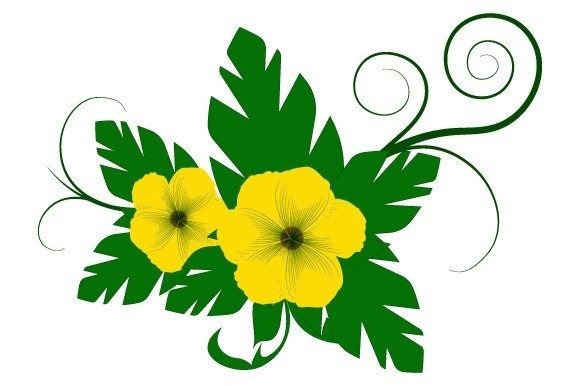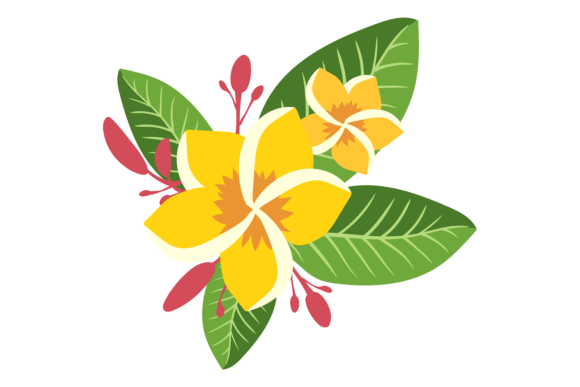
Yellow Flowers on Green Leaves Embroidery Review
As a designer who spends more time looking at stitch density charts than actual flowers, I approach every new embroidery file with a healthy dose of skepticism. The market is flooded with generic clip art that looks fine on a screen but falls apart under the needle. That is why I decided to put "Yellow Flowers on Green Leaves" through its paces before recommending it for your own craft business or personal projects. This isn't just another tropical illustration; it is a graphic asset that requires careful translation into thread.
The product description highlights a tropical paradise symbol isolated on white background, available in EPS, JPG, SVG, and transparent PNG formats. While these are excellent vector and raster sources for digitizing, the real question remains: how does this design perform when converted into a physical machine embroidery design? After testing various applications, from small accessories to larger apparel items, here is my honest assessment of its potential, pitfalls, and perfect use cases.
First Impressions and Visual Personality
When you first load "Yellow Flowers on Green Leaves," the mood is immediately uplifting. The contrast between the bright yellow blooms and the deep green foliage creates a natural focal point that feels organic rather than rigid. For designers looking to add warmth to their collections, this visual personality is hard to beat. It evokes summer, relaxation, and nature—themes that resonate strongly with customers buying personalized gifts or handmade products.
However, as an experienced reviewer, I must note that the clarity of the original illustrations depends heavily on how the digitizer interprets the negative space. In digital graphics, transparency is easy; in embroidery, empty space is filled with either the fabric color or a stabilizer base. If the digitization process is too aggressive, the delicate balance between the flower shapes and the leaf details can be lost, resulting in a muddy, overly dense patch. Conversely, if the design is too sparse, it may look unfinished on textured fabrics. The key lies in preserving the airy, tropical feel without sacrificing structural integrity during the stitching process.
Real-World Application: Where It Shines
I found this design to be exceptionally versatile, particularly for small shop product lines that rely on cheerful, recognizable aesthetics. Here are the scenarios where "Yellow Flowers on Green Leaves" truly excels:
- Tote Bag Designs: A large tote bag offers ample canvas area. Placing this design centrally or slightly off-center allows the green leaves to flow naturally, creating a lush, garden-like effect. The yellow flowers pop beautifully against neutral canvas colors like beige, white, or denim blue, making it an instant bestseller for Etsy sellers.
- Sweatshirt Embroidery: For autumn or spring collections, this motif adds a touch of brightness to heavier fabrics. When embroidered on a cream or light grey sweatshirt, the design stands out without overwhelming the garment. It works particularly well as a chest-sized accent or a larger back print for those seeking statement pieces.
- Baby Embroidery: Soft pastels paired with this vibrant floral theme create a stunning combination for baby clothes. The gentle curves of the petals translate well into satin stitches, resulting in a soft, tactile finish that parents appreciate. It is an ideal choice for christening gowns, baby blankets, or nursery decor where a personalized gift needs to feel both special and safe.
- Embroidered Patches: The isolated nature of the symbol makes it perfect for patch creation. Whether used as a badge on a denim jacket or a decorative element on a backpack, the clean lines of the original graphic ensure that the patch looks crisp and professional. This is a high-value item for commercial embroidery projects targeting fashion-forward clients.
Critical Considerations and Potential Pitfalls
No design is without its challenges, and "Yellow Flowers on Green Leaves" is no exception. There are specific situations where this design requires caution to avoid disappointing results.
First, consider the hoop size. If you attempt to scale this design down too small, the intricate details of the petals and veins may merge into indistinguishable blobs. Always test the design in your intended hoop size before committing to production. Small details often require higher stitch counts and finer threads to remain visible, which can increase the risk of thread breakage or puckering.
Fabric texture also plays a crucial role. On highly textured materials like chunky knits or rough burlap, the definition of the design will suffer. The fabric’s surface interferes with the needle’s path, causing uneven stitches and blurred edges. For best results, stick to smooth, stable fabrics such as cotton twill, polyester blends, or tightly woven linens. Additionally, stretchy fabrics like jersey or spandex blends require a strong stabilizer to prevent distortion. Without proper support, the circular motion of the embroidery head can pull the fabric, warping the flower shapes and ruining the symmetry.
Another common mistake involves thread color selection. While the original graphic features vibrant yellows and greens, not all thread brands match perfectly. Yellow threads, in particular, can vary significantly in shade and opacity. A pale yellow might disappear on a light background, while a neon yellow could clash with the deeper greens. I recommend swatching multiple thread options to find the right balance. Furthermore, always check the contrast against the final fabric color. Dark fabrics can swallow up lighter thread colors, so a dark yellow or gold thread might be necessary for visibility on navy or black garments.
Practical Designer Notes for Success
To ensure "Yellow Flowers on Green Leaves" delivers a professional result, follow these practical steps before starting your project:
- Test on Scrap Fabric: Never run a new design directly onto your final product. Use scrap pieces of the same material to check tension, stitch quality, and overall appearance.
- Review Stitch Density: Examine the digitized file for areas of excessive density. High-density fill stitches can cause stiff, uncomfortable patches, especially on clothing. Adjust the settings if possible to reduce bulk.
- Inspect Small Details: Zoom in on the digital preview to identify any tiny elements that might get lost in stitching. You may need to simplify certain parts of the design or remove unnecessary details to improve clarity.
- Use Proper Stabilizer: Choose a stabilizer that matches the weight and stretch of your fabric. Cut-away stabilizers are generally safer for permanent applications, while tear-away options work well for temporary backing on sturdy materials.
- Check Licensing: Before selling finished items or using this as a digital embroidery file for client work, verify the license terms. Some design assets allow commercial use, while others are restricted to personal projects only. Clear licensing protects your craft business from legal issues.
Final Verdict
"Yellow Flowers on Green Leaves" is a strong candidate for anyone looking to add a touch of tropical elegance to their embroidery portfolio. Its bright, cheerful aesthetic appeals to a wide audience, making it suitable for everything from holiday embroidery gifts to everyday custom apparel. However, success depends on careful execution. By paying attention to fabric choice, thread selection, and digitization quality, you can transform this simple graphic into a stunning finished product that customers will love.
If you are an Etsy seller or small business owner aiming to boost your listings with fresh, seasonal designs, this motif deserves a spot in your library. Just remember to treat it with the respect it deserves—test thoroughly, plan meticulously, and let the quality of your craftsmanship speak for itself. With the right approach, "Yellow Flowers on Green Leaves" can become a staple in your embroidery project repertoire, driving engagement and sales for your brand.