Hanging Flowers Embroidery Review
As a designer who has stitched thousands of garments and reviewed countless digital assets, I approach every new download with a mix of excitement and skepticism. When I first encountered the Hanging Flowers design, my immediate thought wasn't about the file formats or the price point; it was about how this specific arrangement would translate from a screen to a needle. The product description notes that this is a hand-drawn piece available as a PDF, SVG, and PNG transparent file. While those are standard delivery methods for any modern embroidery file, the true value lies in the artistic intent behind the lines.
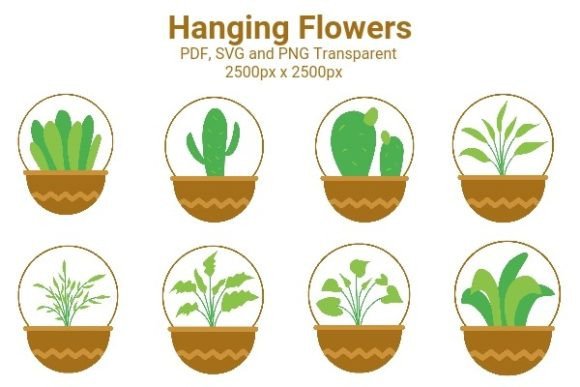
The mood of Hanging Flowers is undeniably organic and soft. Unlike rigid geometric patterns or overly stylized vector art, this illustration feels like it was sketched by hand with a pencil or fine liner. For an embroidery project, this translates to a design that breathes. It creates a sense of movement, as if the blooms are gently swaying in a breeze. This visual personality makes it an ideal candidate for projects that require a touch of warmth and personal connection rather than stark corporate branding.
I recently tested this concept on a custom tote bag project intended for a local boutique client. The goal was to create a reusable shopping bag that felt artisanal yet durable. The Hanging Flowers layout naturally lent itself to a vertical placement on the front panel. Because the design relies on open spaces and flowing stems, it avoids the cluttered look that often plagues busy floral motifs. When I ran a test stitch on a scrap of heavy cotton canvas, the negative space allowed the texture of the fabric to show through, enhancing the rustic aesthetic. The customer didn't just see a logo; they saw a piece of art that felt curated and thoughtful.
Real-World Performance Across Different Products
One of the most critical aspects of evaluating a machine embroidery design is determining its versatility. Can it work on a sweatshirt? A baby onesie? A kitchen towel? The Hanging Flowers asset shines brightest when applied to flat surfaces where the hoop can sit securely. For instance, using this design on a nursery pillow cover or a baby blanket allows the delicate nature of the flowers to shine without the distortion that comes from stitching on curved or stretchy materials.
For small business owners and Etsy sellers, the flexibility of the provided files—PDF, SVG, and PNG—is a significant advantage. The SVG format ensures crisp edges for digitizing, while the PNG transparent file is perfect for creating printable mockups before you even cut the thread. I found myself using the PNG version to generate listing images for my own shop, placing the design over various fabric textures to show potential buyers exactly how the finished product would look. This level of preparation builds trust and reduces return rates caused by unrealistic expectations.
The design also works exceptionally well for holiday embroidery projects. Imagine a set of matching tea towels featuring Hanging Flowers in autumnal thread colors like burnt orange and deep green. The hanging motif suggests abundance and harvest, making it a subtle but powerful thematic choice for seasonal gifts. Similarly, for personalized gifts, the open composition allows room for adding names or dates without crowding the artwork. Whether it is a monogrammed apron for a home cook or a custom cap for a craft fair vendor, the design adapts to the narrative of the gift.
Navigating Technical Challenges and Limitations
However, no design is without its constraints, and an honest review must address where Hanging Flowers might struggle. The primary concern lies in the detail level. If you attempt to stitch this design into a very small hoop size, such as one meant for a hat brim or a tiny cuff, the fine lines may merge together. In machine embroidery, stitch density is everything. If the stitches are too close, the fabric puckers; if they are too far apart, the image loses definition. I strongly advise checking the stitch density before finalizing the production run.
Fabric choice is another critical variable. The design relies on contrast to be visible. On dark fabrics, you will need to use a high-quality underlay or a light-colored stabilizer to prevent the background from bleeding through the lighter threads. Conversely, on thin or highly textured fabrics like linen or raw silk, the tension required to hold the satin stitch or fill stitch sections could distort the weave. Stretchy fabrics, such as jersey knit used for t-shirts, present a similar risk unless stabilized correctly. Without proper support, the "hand-drawn" fluidity of the flowers could turn into a wavy, uneven mess.
Furthermore, if you plan to use this for commercial embroidery projects involving frequent washing, durability becomes a factor. Designs with long, continuous running stitches or isolated details can sometimes snag or pull out over time. While Hanging Flowers appears robust, it is always wise to wash-test a sample garment multiple times to ensure the integrity of the embroidery project. For items like aprons or tote bags that undergo rigorous cleaning, reinforcing the anchor points of the design is a smart precaution.
Practical Notes for the Professional Designer
Before you commit to a full production run, there are several steps every experienced maker should take. First, always test the design on scrap fabric that matches your final material in both weight and texture. This reveals how the thread colors interact with the cloth and whether the hoop size accommodates the entire pattern without cutting off the hanging elements.
Reviewing the design in black and white is a trick many overlook. Convert your digital preview to grayscale to check the balance of light and dark areas. If the design looks muddy in monochrome, it will likely suffer from poor contrast in color, especially if you are using thread shades that are too similar in value. Additionally, inspect the small details closely. Does the tip of a petal disappear when digitized? Are the curves smooth enough to avoid bird's nesting?
Licensing is another area that requires careful attention. The product description mentions the files are for design use, but it does not explicitly state the terms for selling finished physical goods. As a craft business owner, you must confirm whether you have the right to sell products made with this digital embroidery file. Some licenses restrict commercial resale, while others allow it with attribution. Clarifying this upfront protects your small shop product line from legal complications later.
Ultimately, Hanging Flowers offers a charming, versatile foundation for a wide range of creative endeavors. Its hand-drawn quality adds a human touch that mass-produced graphics simply cannot replicate. By understanding its strengths and respecting its limitations regarding fabric and stitch density, designers can transform this simple illustration into a professional-grade asset. Whether you are creating a bespoke wedding gift, expanding your Etsy seller inventory, or decorating a family heirloom, this design provides the perfect blend of elegance and practicality. Just remember: the best embroidery results come from thoughtful preparation and a keen eye for how the design behaves in the real world.